Turning a bag idea into a stable bulk order involves much more than choosing a shape and adding a logo. A successful custom bag OEM project connects product positioning, material selection, sample development, cost control, production planning, quality inspection and export packaging into one clear process. When every stage is confirmed in the right order, buyers can reduce revisions, protect delivery schedules and create a product that fits both the market and the target price.

A clear OEM workflow helps buyers move from an initial idea to repeatable bulk production.
What Does Custom Bag OEM Mean?
OEM means that a manufacturer produces bags according to a buyer's specifications, brand requirements or approved sample. The buyer may provide a drawing, reference product, technical pack, material request or only a general product idea. The factory then helps turn those requirements into a manufacturable design.
ODM usually involves more design support from the supplier. A buyer may select an existing structure and customize the fabric, color, logo, pockets, accessories and packaging. In practice, many bag projects combine OEM and ODM: the customer defines the market and key functions while the factory supports structure, material and production details.
Step 1: Define Your Product Requirements
The first step is to explain what the bag needs to do. A business backpack, promotional tote, outdoor pack and storage bag may look simple in a photo, but each product has different requirements for load, comfort, cost and durability.
Before requesting a quotation, prepare as much of the following information as possible:
- Product type, use scenario and target customer.
- Approximate dimensions, capacity and compartment layout.
- Preferred fabric, lining, color and hardware.
- Logo artwork, logo process and expected position.
- Estimated order quantity and required delivery date.
- Individual packaging, labels, hangtags and carton marks.
- Target market, compliance needs and target price range.
A detailed brief allows the supplier to recommend realistic materials and construction methods instead of preparing a quotation based on assumptions.
Step 2: Select Materials and Components
Material selection affects appearance, weight, performance, cost and production stability. Polyester is widely used for promotional and everyday bags because it offers flexible weight and coating options. Oxford fabric provides a structured surface and is commonly selected for backpacks, travel bags and storage products. Recycled polyester supports sustainability programs, while coated fabrics can improve water resistance and create a more premium finish.
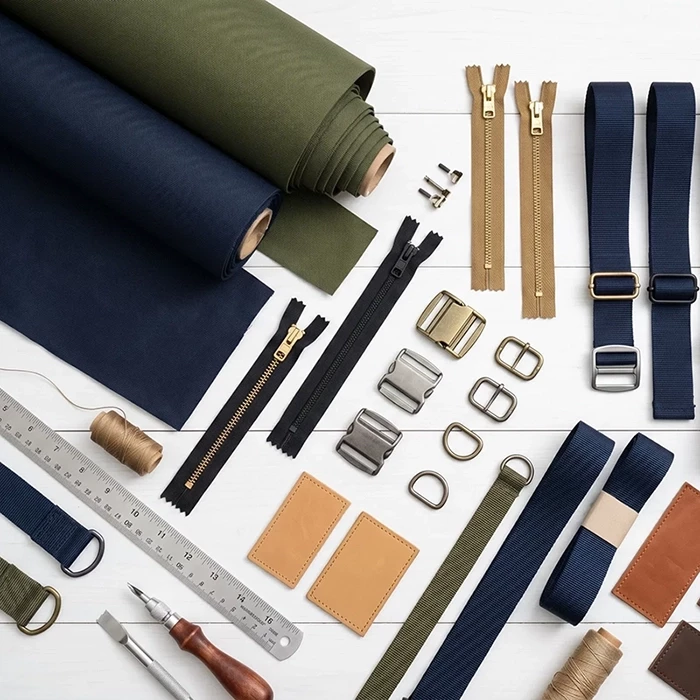
Fabric, lining, zipper, webbing and hardware should be evaluated as one complete material system.
Do not review the shell fabric alone. The supplier also needs to confirm lining weight, foam, reinforcement boards, zipper type, pullers, buckles, webbing, thread and labels. If the bag needs to carry a laptop or heavy equipment, stress points and internal support must be considered before sampling.
Step 3: Prepare the Tech Pack and Quotation
A technical pack turns visual ideas into measurable instructions. It should include front, back, side and internal views; finished dimensions; pocket locations; seam details; logo size; color references; material descriptions and packaging requirements.
If a complete tech pack is not available, clear reference photos with marked dimensions can still help the factory prepare an initial proposal. The quotation should state the assumed material specification, logo process, order quantity, packaging and trade terms. This makes later price comparisons more accurate.
At this stage, buyers should also ask which details have the greatest effect on cost. Fabric weight, custom hardware, complex pocket construction, molded parts, special printing and low order quantities can all influence the final price.
Step 4: Develop and Review the Sample
Once the quotation and basic construction are accepted, the factory begins sample development. The process normally includes pattern making, material preparation, cutting, logo application, sewing, assembly and internal inspection.

The sample stage confirms proportion, function and production feasibility before bulk materials are prepared.
Review the sample as a functional product, not only as a visual reference. Check whether the opening is convenient, pockets fit the intended items, shoulder straps feel comfortable, zippers move smoothly and the bag keeps its shape when loaded. Logo scale and position should also be reviewed from the distance at which customers will normally see the product.
Record all requested changes in one revision document. Numbered photos and precise measurements are easier for a sample room to follow than separate messages sent over several days.
Step 5: Approve the Pre-Production Details
Before bulk production, the buyer and factory should confirm a final production standard. This may be the approved physical sample together with written specifications, color swatches and packaging files.
- Finished size, shape and usable capacity.
- Shell fabric, lining, foam and reinforcement.
- Pantone color or approved material color swatch.
- Logo process, dimensions and exact position.
- Zippers, buckles, pullers and other accessories.
- Stitching, bartack and stress-point reinforcement.
- Labels, hangtags, polybags, barcode and carton marks.
Changes made after bulk materials have been ordered may create waste, additional cost or delivery delays. A signed approval record protects both sides and gives production and QC teams a consistent reference.
Step 6: Start Bulk Production
Bulk production begins with material purchasing and incoming inspection. Fabrics are checked for color, coating, width and visible defects before cutting. Logo processes such as screen printing, embroidery, heat transfer or rubber patches are usually completed before the main sewing operation.
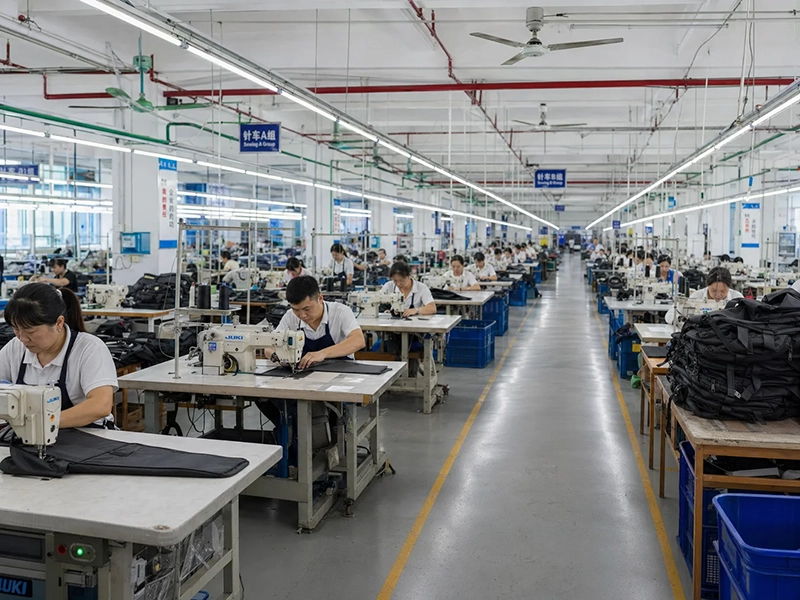
Stable production depends on clear standards, controlled materials and regular checks during sewing and assembly.
Cut pieces are grouped into production bundles, then passed through sewing, reinforcement and assembly operations. The production team should keep approved samples, material cards and critical measurement sheets available on the line. For larger or repeat orders, an early production sample can be checked before the full quantity moves forward.
Step 7: Control Quality During Production
Quality control should not begin only after production is complete. Incoming material inspection helps identify color or surface problems before cutting. First-piece approval confirms that operators understand the construction. In-line inspection finds sewing and assembly issues while they can still be corrected efficiently.
Final inspection checks finished products against the approved sample, specification and packaging instructions. The inspection level can be adjusted according to the product, order quantity and buyer requirements.
Key Quality Points for Custom Bags
- Fabric color, coating, stains, scratches and visible weaving defects.
- Finished dimensions and acceptable measurement tolerance.
- Stitch density, thread tension and clean seam appearance.
- Zipper movement, puller installation and accessory function.
- Logo color, position, size and surface quality.
- Shoulder strap, handle and load-point reinforcement.
- Internal pocket layout, lining finish and loose thread cleaning.
- Label, barcode, polybag and carton quantity accuracy.
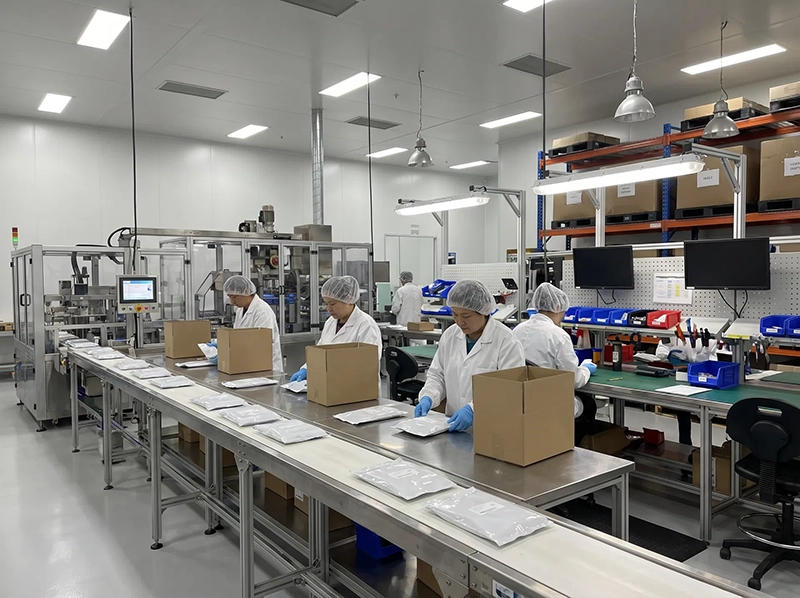
Final inspection connects product quality with the buyer's packaging and delivery requirements.
Step 8: Confirm Packaging and Delivery
Packaging should match the sales channel. E-commerce orders may require individual polybags, barcode labels and compact carton sizes. Retail programs may need hangtags, care labels, insert cards and display-ready packing. Project orders may require cartons separated by color, logo version or destination.
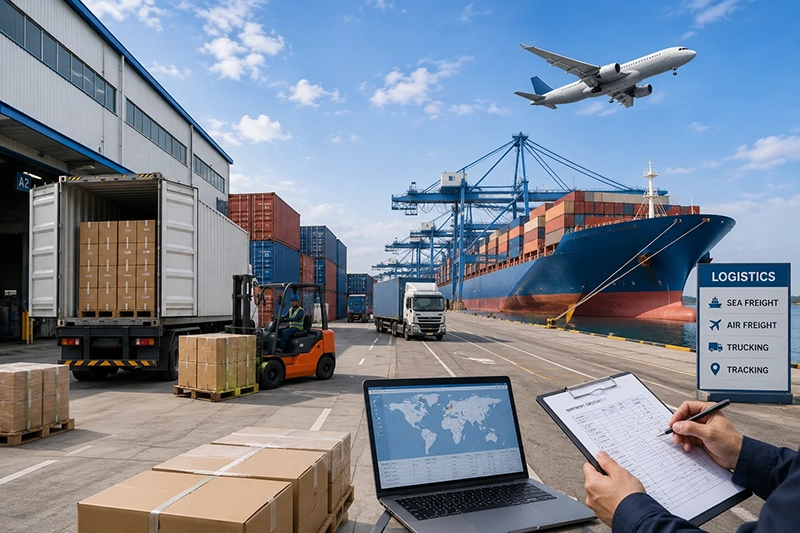
Packaging instructions and carton identification should be confirmed before the finished bags enter the packing area.
Before shipment, confirm carton dimensions, gross and net weight, carton marks, packing quantity and shipping documents. If pallets or special destination labels are required, include them in the production instructions instead of adding them after packing.
How Long Does a Custom Bag OEM Project Take?
The schedule depends on material availability, construction complexity, revision rounds and order quantity. The following ranges are useful for early planning:
| Stage | Typical Time |
|---|---|
| Requirement review | 1–3 days |
| Material sourcing | 3–7 days |
| Sample development | 7–15 days |
| Sample revision | 5–10 days |
| Bulk production | 25–45 days |
| Inspection and packing | 3–7 days |
Seasonal demand, custom-dyed fabric, special hardware and repeated sample revisions may extend the schedule. Buyers should reserve time for approval and international transportation when planning a launch date.
How to Choose a Reliable Custom Bag Manufacturer
A suitable supplier should understand both product development and repeatable manufacturing. Review whether the team can explain material differences, identify production risks, provide clear sample feedback and document approved changes. Factory organization, quality procedures and export packaging experience are as important as the first quotation.
Communication is another practical indicator. A reliable partner should confirm questions clearly, separate confirmed details from pending items and report issues early. This helps purchasing, design and sales teams make decisions before a small problem becomes a shipment delay.
Information to Send Before Requesting a Quote
To receive a useful quotation faster, send the supplier a compact project package:
- Product drawing, reference photos or physical sample details.
- Dimensions and required compartment structure.
- Material preference or target performance.
- Logo artwork and preferred branding process.
- Order quantity by color and design.
- Packaging, labeling and delivery destination.
- Target schedule and any required testing standards.
Final Thoughts
A successful custom bag OEM project is built through clear decisions at every stage. Define the product before pricing, confirm materials before sampling, approve measurable details before bulk production and inspect both products and packaging before shipment.
Shengye supports custom bag buyers from initial requirement review and sample development through material sourcing, sewing, inspection and export packing. If you are planning a new backpack, tote, travel bag, storage product or outdoor bag program, share your reference, quantity and target market with our team to begin an OEM or ODM evaluation.